If you run an online business, manage a remote team, host client Zoom calls, or handle large file uploads, there is one question that determines whether a destination is a paradise or a disaster:
“Is the internet actually fast and reliable enough to work without dropping calls?”
When you’re considering a destination nestled beneath the highest mountain range on Earth, it’s natural to feel skeptical. You imagine spotty village signals, sudden blackouts during rainstorms, and sitting in dark cafes desperately trying to send an email on a 1 Mbps connection.
I’ve been living and working location-independently for over 15 years across 40+ countries. I’ve taken sales calls from Thai islands, uploaded video files from South American mountain towns, and hosted global masterminds across Europe and Asia.
And if there is one lesson I’ve learned about digital nomad infrastructure, it’s this:
You should never guess about your connectivity—you need verified data and redundancy.
Here is the unfiltered truth about internet speeds, power grid reliability, and mobile backups in Pokhara, Nepal.
1. Verified Fiber-Optic Speeds in Pokhara
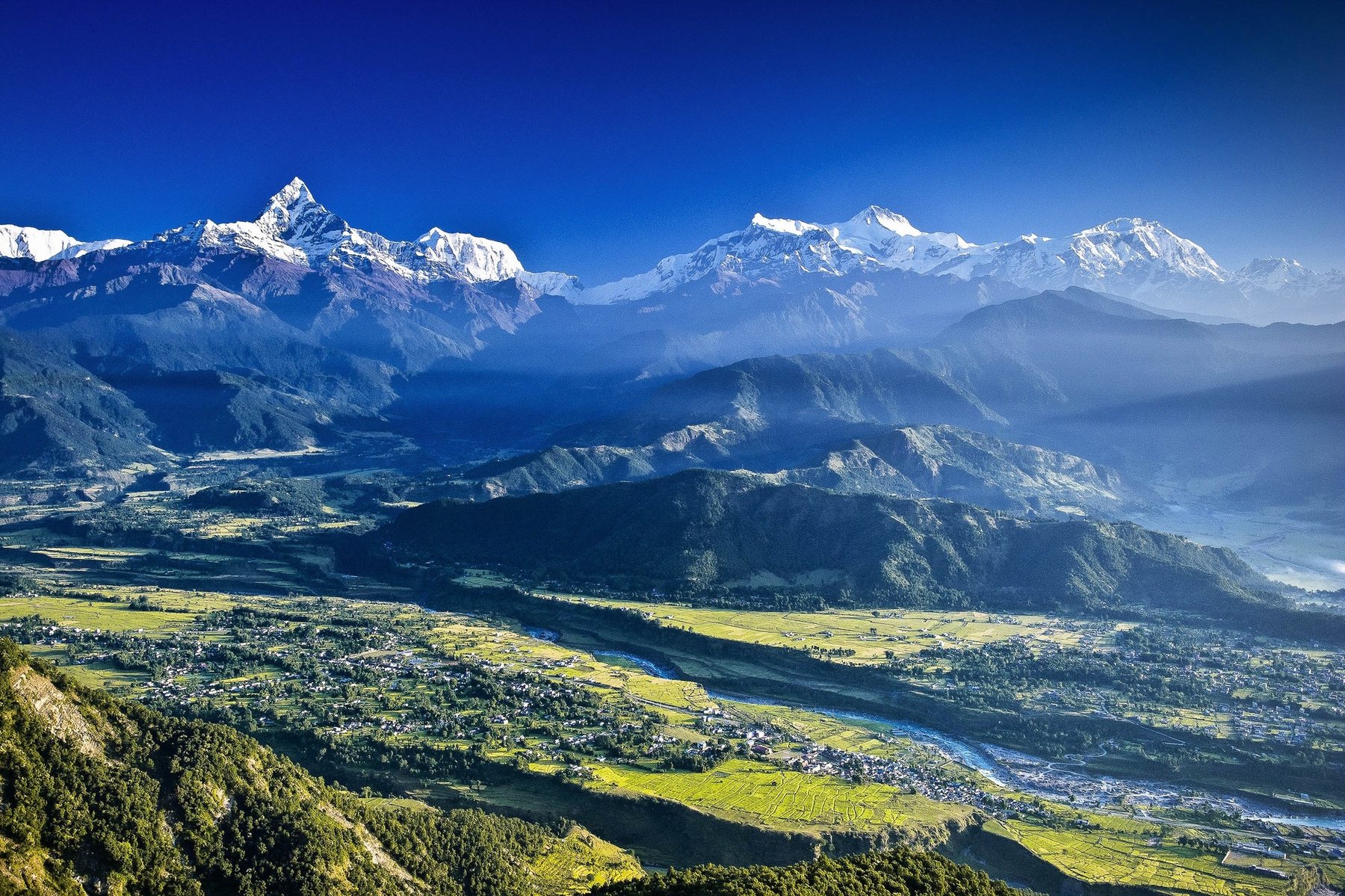
Over the past three years, Nepal’s telecommunications sector has undergone a massive fiber-optic revolution.
Major Internet Service Providers (ISPs) like WorldLink, Vianet, and Classic Tech have laid high-speed fiber lines throughout Pokhara, particularly across the Lakeside district.
Here is what you can expect in real-world performance:
- Download Speeds: 30 Mbps to 100+ Mbps
- Upload Speeds: 25 Mbps to 80+ Mbps
- Latency / Ping: 15–30 ms to local Asia servers; 150–220 ms to US/Europe servers.
Whether you are hosting a 10-person HD Zoom call, streaming 4K content, pushing code commits to GitHub, or uploading heavy video footage, Pokhara’s fiber-optic infrastructure handles high-bandwidth tasks with ease.
2. Solving the Power Cut Problem: 100% Solar Backup Systems

While fiber-optic speeds are fast, developing nations do experience occasional municipal power grid fluctuations or load-shedding maintenance.
In a standard hotel, Airbnb, or budget guesthouse, a power cut means your router turns off instantly. Your call drops, your upload fails, and you’re left stranded in the dark.
When evaluating a coliving space or workspace in Nepal, the key question isn’t just “How fast is your WiFi?”—it’s “What is your power backup system?”
Because we built Nomad Basecamp specifically for location-independent entrepreneurs, we installed a dedicated solar power backup system.
When the municipal grid drops, our solar generators instantly keep the fiber-optic routers, workspace lighting, and charging outlets powered. The switch is seamless—your laptop doesn’t even flicker, and your Zoom calls continue without dropping a single packet.
3. The $9 Connectivity Safety Net: Ncell 4G Mobile Data
What happens if you want to work from a remote hilltop cafe, take a break at a lakeside hammock, or ensure you have a 100% fail-safe backup during a mountain storm?
Nepal’s 4G LTE cellular coverage is surprisingly fast and ridiculously cheap.
The moment you land at Tribhuvan International Airport in Kathmandu, stop by the Ncell counter in the arrival hall.
For 1,200 NPR (about $9 USD), you receive a prepaid SIM card pre-loaded with 88 GB of high-speed 4G mobile data.
How Mobile Hotspot Backup Works:
- Coverage: 4G LTE signal covers all of Pokhara, Lakeside, Sarangkot, and even major hiking trails around the Annapurna region.
- Hotspot Speeds: Mobile download speeds average 20 to 45 Mbps.
- Redundancy: If a cafe’s WiFi router stutters, you toggle your phone hotspot on in 3 seconds and keep working without interruption.
4. Best WiFi Workspaces & Cafes in Pokhara
If you want to vary your daily work environment, Pokhara’s cafe culture offers fantastic, laptop-friendly options equipped with reliable fiber internet.
- Nomad Basecamp Coworking Lounge: 24/7 solar-backed fiber WiFi (50–100 Mbps), ergonomic seating, indoor air-conditioned focus room, and outdoor garden courtyard.
- Cafe Camelia: Quiet, air-conditioned indoor space with spacious desks, abundant power outlets, and strong fiber internet.
- The Juicery Cafe: Lakeside outdoor seating with great coffee, healthy bowls, and reliable WiFi for morning creative blocks.
- Little Windows: A peaceful venue in North Lakeside offering Buddha bowls, quiet surroundings, and stable internet.
- Silk Road Cafe: Garden sanctuary with fast WiFi, shaded outdoor tables, and $1.50 momos.
Summary Connectivity Checklist for Remote Workers in Nepal
| Feature | Standard Guesthouse / Airbnb | Nomad Basecamp Coliving |
|---|---|---|
| Fiber WiFi Speed | 10 – 30 Mbps (Shared) | 50 – 100+ Mbps (Dedicated) |
| Power Grid Backup | Battery light bulbs or none | 100% Solar Generator (Routers & Outlets) |
| Call Privacy | Noisy / Shared spaces | Private en-suite bedroom desks included |
| Cellular Backup | Ncell 4G available ($9) | Ncell 4G available ($9) |
| Work Reliability Rating | 60% (Subject to power cuts) | 99.9% (Bulletproof Uptime) |
Work Without Limits in the Himalayas
If you’ve been holding back on visiting Nepal because you were worried about internet speeds or power cuts… then rest assured that with the right setup, you can run a 6- or 7-figure online business from Pokhara without missing a beat.
When you join the 30-day coliving immersion at Nomad Basecamp, our $699 Early Bird rate covers your private room with en-suite bathroom, 100% solar power backup, 24/7 coworking access, daily organic breakfasts, courtyard pool access, and daily community yoga/masterminds.
And if you time your stay between August 20 and September 20, your experience culminates with the annual Nomad Basecamp Summit (September 1–7, 2026) at the 5-star Bar Peepal Resort, where you’ll join 200+ global founders and unlock permanent Platinum Rewards discounts across Pokhara.
Ready to take your business to new heights?
👉 Click here to reserve your solar-backed room at Nomad Basecamp Nepal
Leave a Reply