Deciding to spend a month or two working remotely from Nepal is an exciting move. But when you start looking at a map of Pokhara, the same question every digital nomad asks immediately surfaces:
“Where in town should I actually set up my base?”
If you pick the wrong area, you might find yourself stuck in a noisy tourist trap with blaring horn traffic, spotty WiFi, and zero power backup during a sudden thunderstorm.
Pick the right neighborhood, however, and your daily life transforms into an effortless rhythm of morning coffee with mountain views, focused deep-work sessions, and sunset lake swims.
I’ve spent the last 15+ years living and working across 40+ countries. And if there is one lesson I’ve learned about long-term location independence, it’s this:
Neighborhood selection isn’t just about geography—it’s about lifestyle design.
Let’s break down Pokhara’s main neighborhoods, the different types of monthly accommodations available, and what you need to look for before booking your monthly stay.
Understanding the Layout of Pokhara
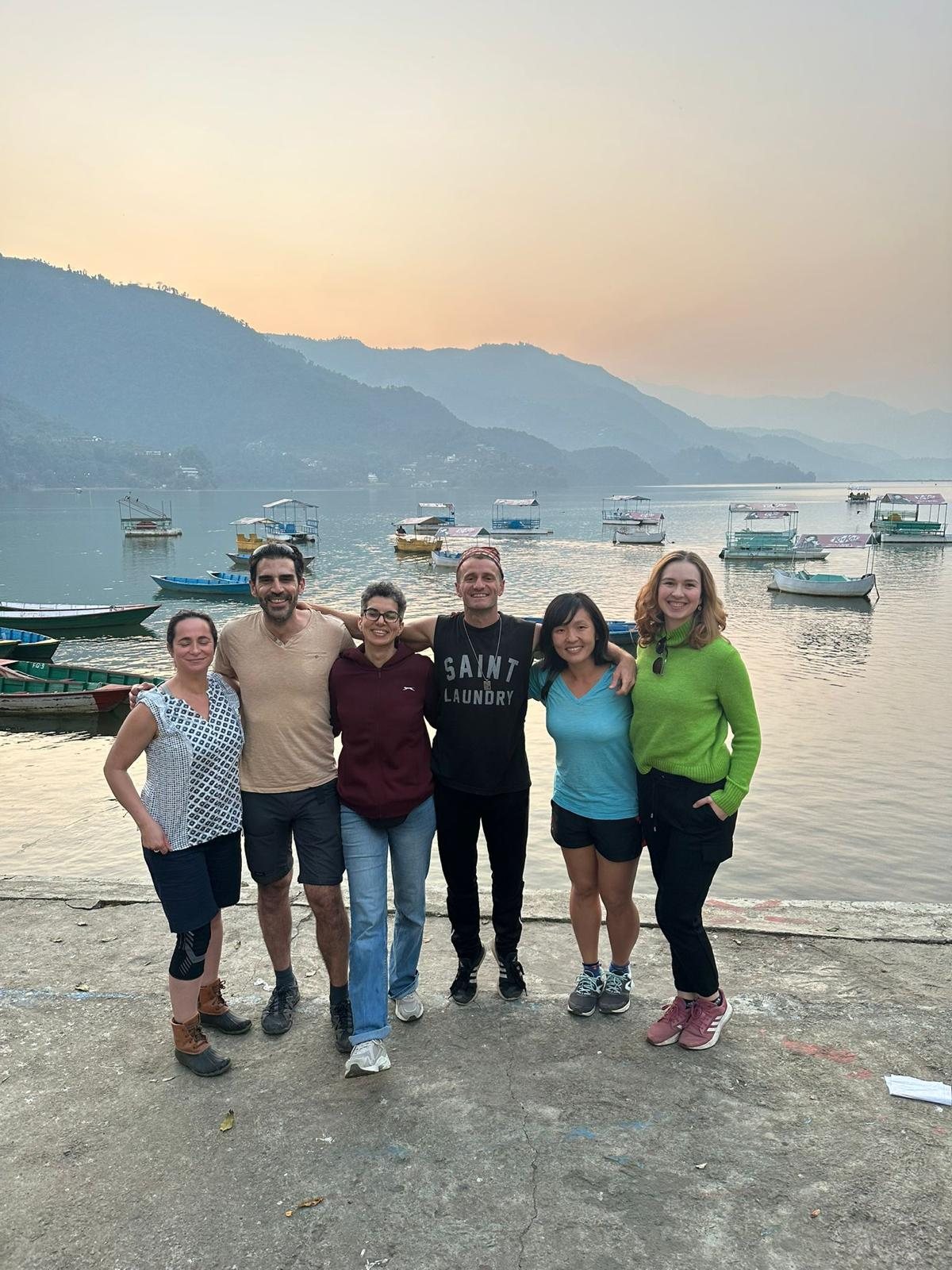
Pokhara is structured around the eastern shore of Phewa Lake (often spelled Fewa Lake). The main strip running parallel to the water is simply referred to as Lakeside.
However, Lakeside stretches across several kilometers and changes character dramatically depending on which end of the street you are on.
Here is how Pokhara breaks down for digital nomads:
1. Central Lakeside (Streets 1 to 15): The Tourist Hub
Central Lakeside is the bustling, energetic core of the city. It’s packed with trekking gear shops, travel agencies, souvenir stores, bars, and live music venues.
- The Vibe: High energy, convenient, but busy.
- Best For: Short-term tourists, hikers picking up gear, or people who want to be right in the middle of nightlife.
- The Nomad Verdict: Can be noisy for deep focus. Great for weekend dinners, but less ideal for a peaceful 30-day work retreat.
2. North Lakeside / Khahare (Streets 16 to 28+): The Nomad Sanctuary
As you walk north along the lake past Street 16, the blaring horns fade away, the trees get greener, and the vibe shifts into a bohemian sanctuary. This area is commonly called Khahare or North Lakeside.
- The Vibe: Chill, health-conscious, artistic, and peaceful.
- Best For: Digital nomads, remote workers, yogis, and slow travelers.
- The Nomad Verdict: This is the epicenter of Pokhara’s remote work scene. You’re within walking distance of top cafes (The Juicery, Vegan Way, Silk Road, Cafe Camelia), drop-in yoga studios, and quiet lakeside boardwalks.
3. Dam Side: The Local & Serene Quarter
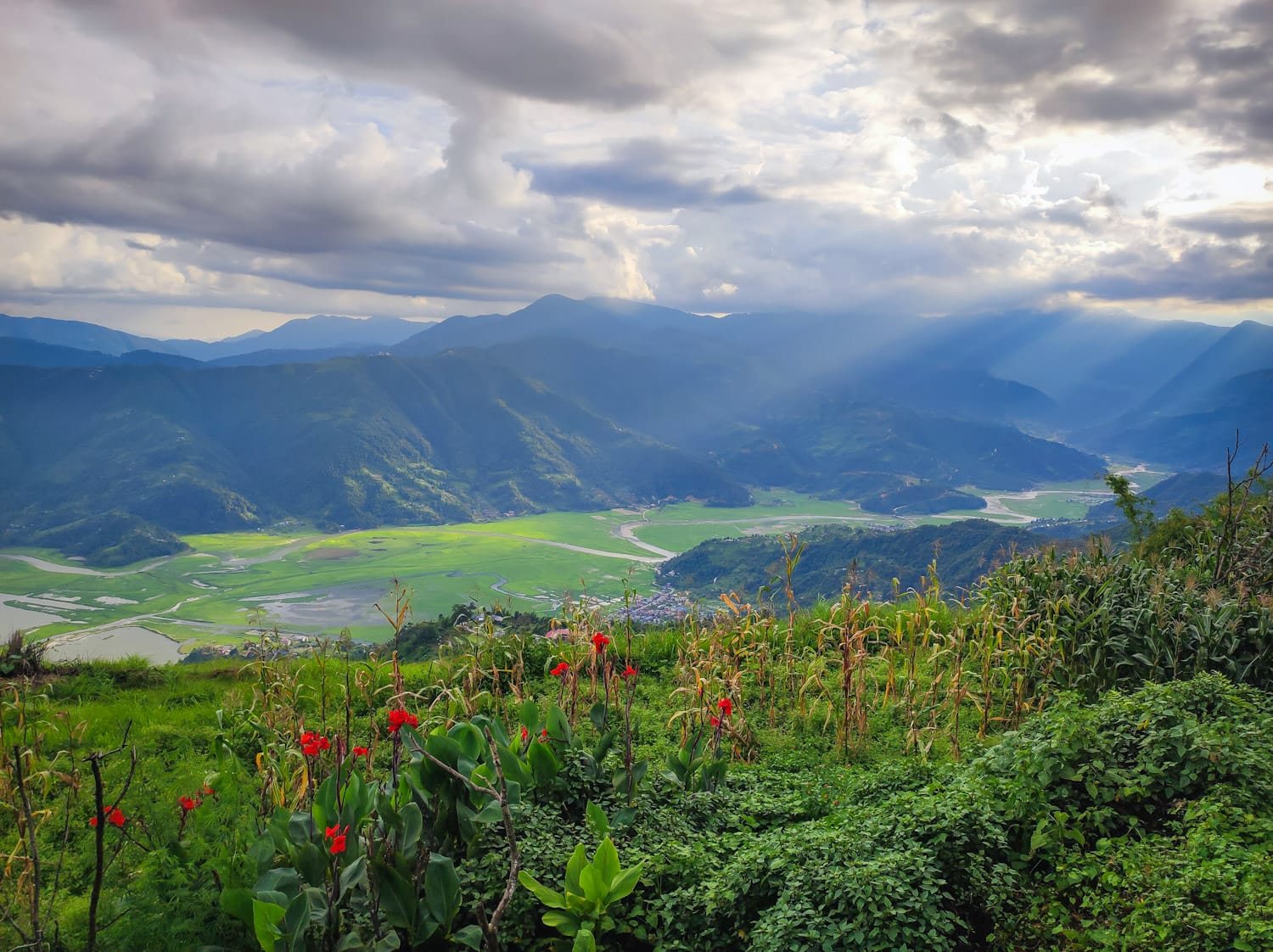
Located at the southern tip of Phewa Lake near the Pardi Dam, Dam Side offers a peek into authentic local life with stunning views of the Annapurna range reflecting on the water.
- The Vibe: Quiet, residential, traditional, and budget-friendly.
- Best For: Nomads on a tight budget who prefer local neighborhood interactions over expat cafes.
- The Nomad Verdict: Extremely serene, but you’ll need a scooter or a quick $1.00 InDrive ride to get to the main nomad cafes in North Lakeside.
4. The Lakeside Hillside (Nomad Basecamp / Bar Peepal Area): A World Away, But Still Close
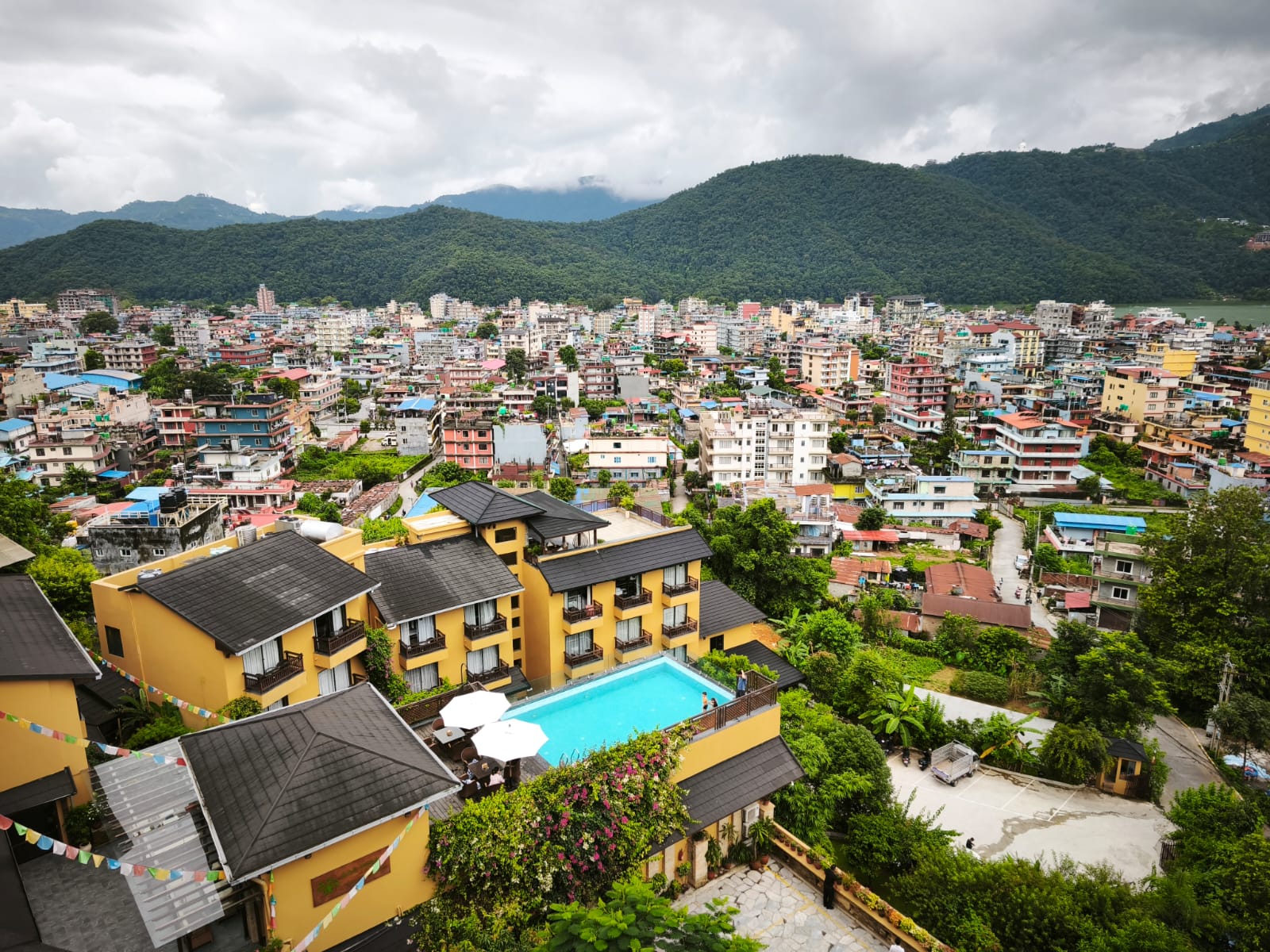
Just a short 5-minute walk up the gentle green hill overlooking Lakeside lies the elevated residential district near Bar Peepal Resort.
- The Vibe: Elevated luxury, cool mountain breezes, panoramic lake views, and absolute quiet.
- Best For: Founders, creators, and entrepreneurs who want a high-vibe sanctuary away from street noise, without sacrificing walking access to town.
- The Nomad Verdict: The ideal home base. This is where we located Nomad Basecamp. You get sweeping views of Phewa Lake, zero traffic noise, and 100% solar power backup, while being just a short walk down to North Lakeside.
Comparing Monthly Accommodation Options in Pokhara
When booking a month-long stay in Pokhara, you generally have three distinct paths to choose from. Let’s look at how they stack up in terms of cost, convenience, and quality of life.
Option A: Unfurnished / Basic Local Apartments
- Cost: $100 – $220 USD / month
- What It Is: Renting a floor or apartment in a local Nepali home or small apartment block.
The Pros:
* Extremely cheap.
* Authentic cultural immersion living alongside local families.
The Cons:
* No Solar Power Backup: If the city grid cuts out, your WiFi router turns off.
* Setup Friction: You often have to negotiate cash leases, buy your own cooking gear, bedding, and arrange your own internet installation.
* Isolation: Working alone from a quiet apartment can get lonely quickly.
Option B: Short-Term Airbnbs & Guesthouses
- Cost: $300 – $600 USD / month
- What It Is: Booking a private room or apartment via Airbnb or directly negotiating a monthly rate at a tourist guesthouse.
The Pros:
* Fully furnished with private bathrooms and utilities included.
* Easy to book online before arrival.
The Cons:
* Unpredictable WiFi: Guesthouse WiFi is frequently shared among dozens of tourists streaming videos, causing slowdowns during peak hours.
* Lack of Work Setup: Most tourist rooms lack proper ergonomic desks and chairs.
* No Mastermind Community: You’re surrounded by short-term vacationers rather than focused entrepreneurs.
Option C: All-Inclusive Coliving at Nomad Basecamp
- Cost: $699 USD / month (Early Bird Rate)
- What It Is: A plug-and-play 30-day immersion combining private accommodation, resort amenities, dedicated coworking, and an international entrepreneur community.
The Pros:
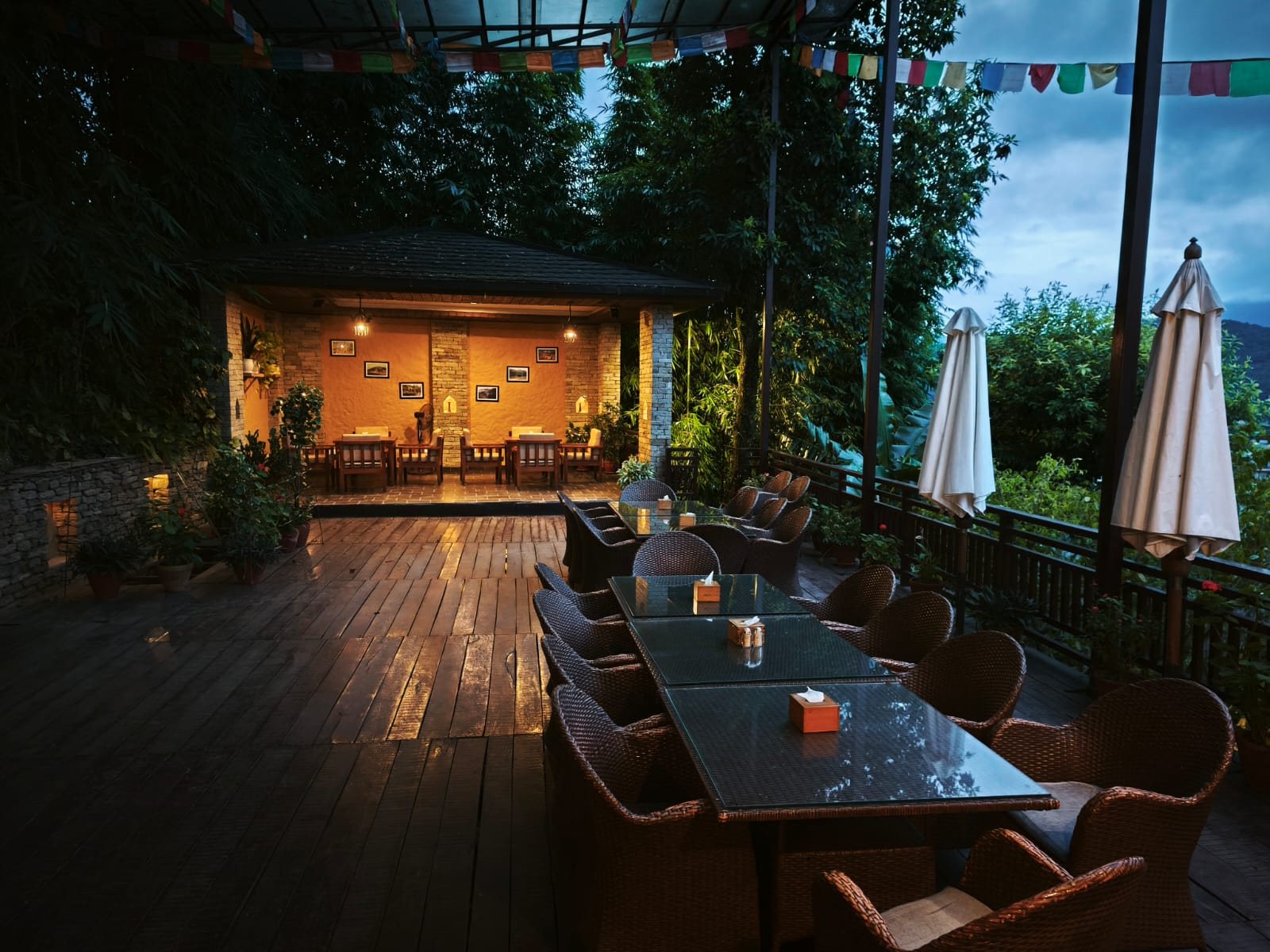
* 100% Solar Power Backup: Dedicated solar generators ensure routers, lighting, and outlets stay online 24/7 during grid fluctuations.
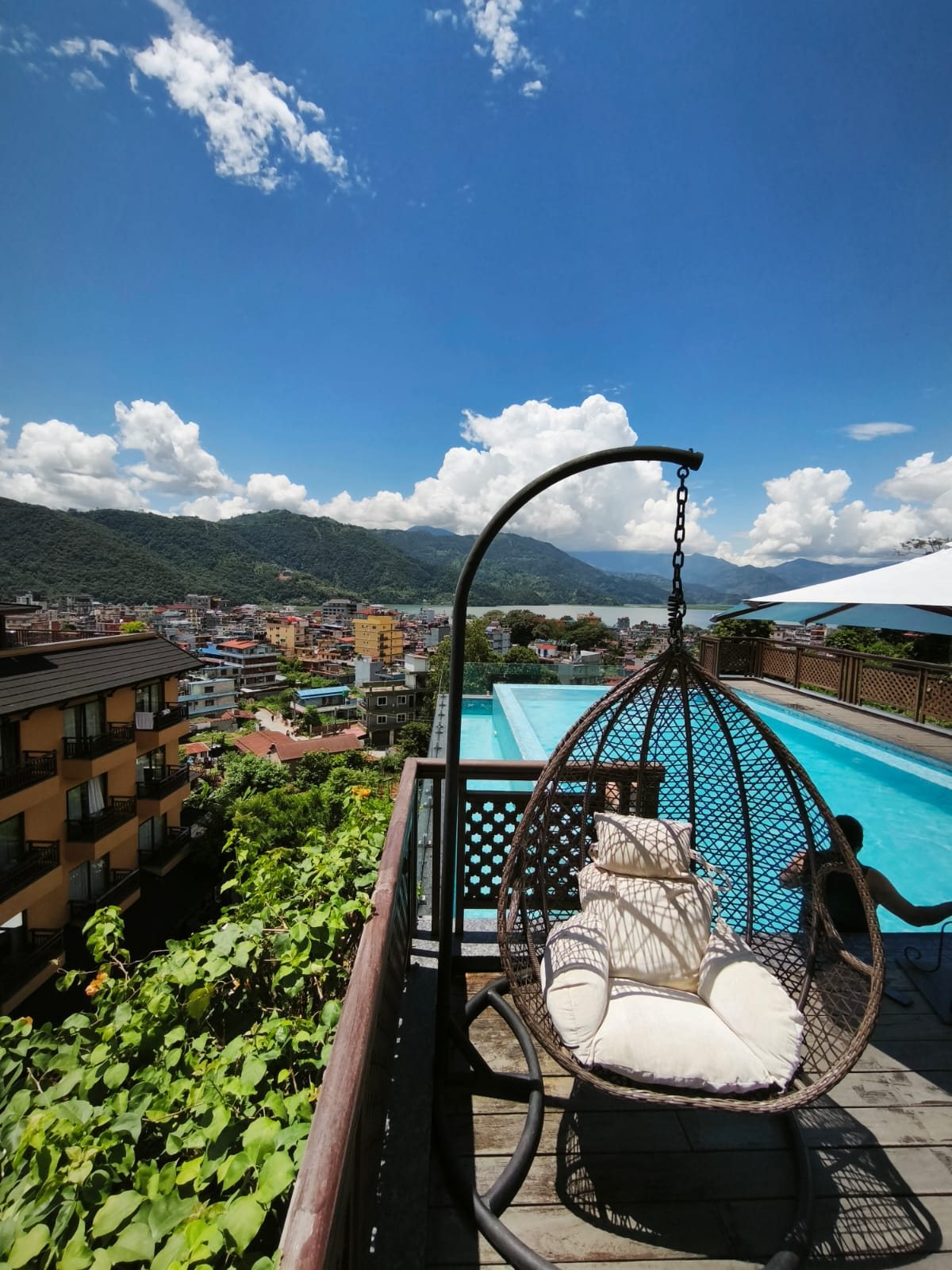
* Private & Comfortable: You get your own private room, en-suite bathroom, desk, and balcony for deep focus and personal privacy.
* Daily Organic Breakfast: Freshly prepared healthy breakfasts every morning by on-site chefs.
* Resort Amenities: Access to dedicated indoor coworking spaces, garden courtyards, dining spaces, and a courtyard pool.
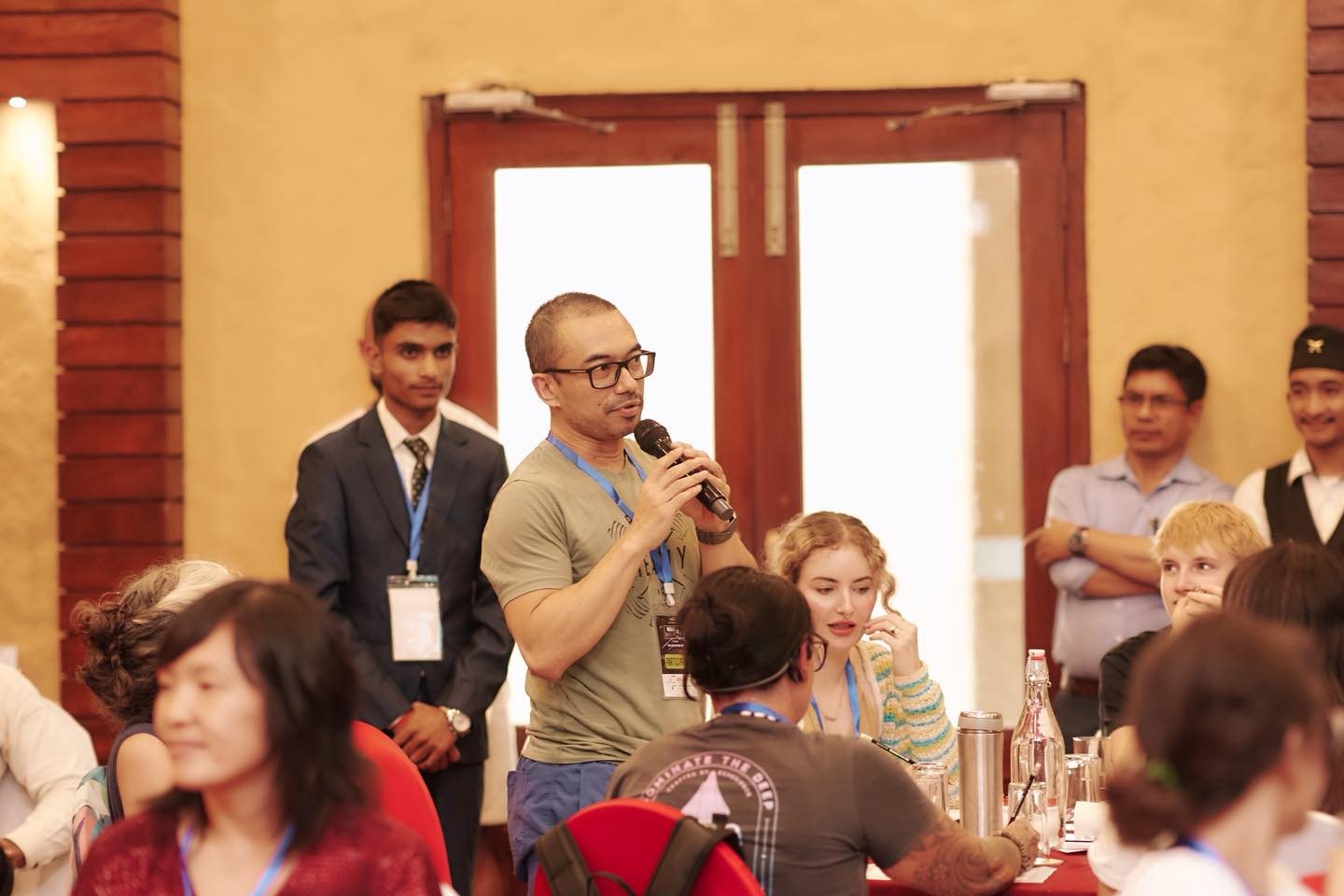
* Instant Tribe: Built-in weekly business masterminds, Hatha yoga, Ayurveda workshops, and weekend mountain treks.
* Zero Friction: Starting from a flat $699 rate with zero utility bills, zero lease hassle, and a refundable $399 deposit to lock in your room.
The Cons:
* Limited room capacity (we cap our coliving cohort to maintain an intimate family vibe, so spots book out 60+ days in advance).
The 5-Point Checklist for Booking Remote Work Lodging in Nepal
Before you sign a lease or pay a deposit anywhere in Pokhara, make sure your accommodation checks these five non-negotiable boxes:
- Solar Power Backup: Does the property have a dedicated inverter or solar system that powers the WiFi router, or just a backup battery for lighting? (A light bulb won’t save your Zoom call when the router dies!).
- Dedicated Workspace: Is there a real desk and supportive chair in your private room, or just a low coffee table?
- Hot Water System: Is the hot water purely solar-thermal (which means cold showers on cloudy mornings), or is there a hybrid electric/gas heater backup?
- Proximity to North Lakeside: Can you easily walk to cafes like The Juicery and Vegan Way, or will you be reliant on taxis for every meal?
- Community Vibe: Will you be surrounded by party tourists, or fellow founders who respect quiet hours and value high-level networking?
The Verdict: Where Should You Stay?
If you want complete freedom from logistical hassles, guaranteed 24/7 internet, and a built-in tribe of ambitious entrepreneurs… then securing a spot at Nomad Basecamp on the Hillside above Lakeside is the ultimate move.
Because your accommodation sets the foundation for your mental clarity and work output, investing in an environment built specifically for remote workers pays for itself tenfold.
And if you time your 30-day stay to coincide with the annual Nomad Basecamp Summit (September 1–7, 2026), you’ll also unlock our Platinum Rewards Pass, granting you permanent 10% to 50% discounts across Pokhara’s top resorts, cafes, spas, and adventure tours forever.
Ready to claim your Himalayan sanctuary?
👉 Click here to view rooms and reserve your spot at Nomad Basecamp Nepal
Leave a Reply